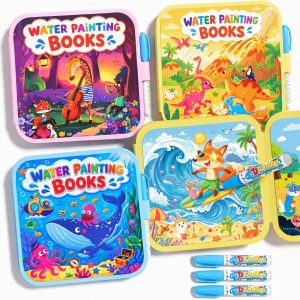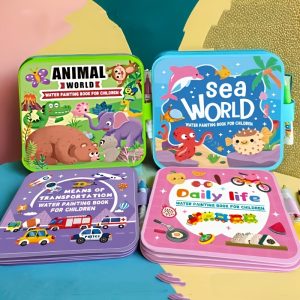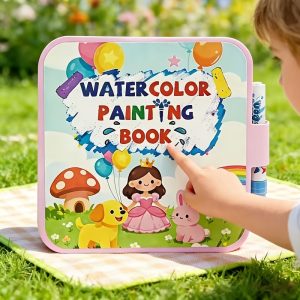

Reusable sticker books look like ordinary sticker books at first glance, but the stickers peel off cleanly and go right back on, again and again, without losing their grip. That’s not magic, and it’s not glue, either.
The Real Reason Reusable Stickers Stick (Without Glue)
Most reusable stickers don’t use adhesive at all. Instead, they rely on the same basic principle as static-cling window decals: when two extremely smooth, non-porous surfaces come into close contact, tiny air pockets are pushed out between them, and molecular-level surface tension holds the two layers together. It’s often called “static cling,” but true static electricity has little to do with it; it’s closer to a gentle suction effect than an electric charge.
That’s why reusable stickers only work well against certain surfaces: the smoother and glossier the surface, the better the stickers cling. Textured paper, fabric, or dusty surfaces don’t offer the flat contact needed for that effect to happen.
Two Types of Reusable Stickers: Vinyl Cling vs. Jelly/Gel
Not all “reusable stickers” are built the same way, and the two most common versions behave a little differently.
Vinyl cling-style stickers are thin, flexible vinyl (PVC) sheets, printed on one side, with a smooth, slightly tacky underside. They’re the type used in most classic reusable sticker pads,kids press them onto a glossy background page, peel them up, and move them to a new spot on the page.
Jelly or gel puffy stickers are thicker and squishier, made from a soft, semi-transparent gel-like material. Their surface stays naturally tacky, similar to a rubbery suction pad, which is why they can often be pressed onto smooth surfaces well beyond the book itself and still come away cleanly.
Both types skip permanent adhesive on purpose, which is exactly what allows the “reusable” part to work.
Why the Pages Matter Just as Much as the Stickers
The background pages in a reusable sticker book aren’t ordinary paper,they’re usually a thicker, glossy or laminated cardstock. That coating gives the page the same ultra-smooth quality the stickers need on the other side. A rougher, more absorbent page simply wouldn’t hold a cling-style sticker in place, which is why reusable sticker books feel noticeably glossier and sturdier than a standard paperback activity book.
Can You Stick Them on Anything Else?
Because the effect depends on surface smoothness rather than glue, reusable stickers can often be used beyond the book’s own pages,on windows, mirrors, glazed tile, glossy plastic, or a refrigerator door, for example. Rougher or porous surfaces like fabric, unfinished wood, or textured walls won’t hold a cling-style sticker well, since there’s no flat, non-porous contact for it to grip.
One practical note: some puffy/gel stickers are formulated to pair specifically with their included glossy pad, and the manufacturer may note that they shouldn’t be pressed onto plain paper or other materials, since that can pick up debris and reduce stickiness.
Why Stickers Stop Sticking
Reusable stickers don’t wear out from being peeled and repositioned,they lose their grip when the tacky surface picks up dust, lint, pet hair, or skin oils from little hands. Once that layer builds up, the smooth contact the sticker needs is gone.
The fix is usually simple:
- For gel/jelly stickers, gently rinse the sticky side under cool water, shake off the excess, and let it air-dry completely before using it again.
- For vinyl cling stickers, a light wipe with a damp cloth is usually enough.
Letting stickers dry completely before storing them is one of the simplest ways to keep them working longer.
Are Reusable Sticker Books Actually Worth It?
Compared to single-use stickers, reusable sticker books offer a few practical advantages:
- Less waste-the same set of stickers can be used over and over instead of being thrown away after one placement.
- Lower long-term cost-one book replaces what would otherwise be repeated sticker purchases.
- No glue mess-nothing gets left behind on hands, clothes, or furniture.
- Hands-on, screen-free play,placing and repositioning stickers is a simple, calm activity that also gives kids repeated practice with pinching and precise hand movements, which supports fine motor skill development.
For families who go through a lot of stickers, that combination of durability and repeat use is usually the main draw, more than any single flashy feature.
Frequently Asked Questions
What age are reusable sticker books good for?
Most reusable sticker pads on the market are labeled for ages 3 and up, since younger toddlers may still be developing the fine motor control needed to peel and place small stickers, and some products include small parts.
Are reusable stickers washable?
Many are, especially gel/jelly-style stickers, which can typically be rinsed with water to remove dirt and restore tackiness. Vinyl cling stickers are usually better suited to a light wipe than a full soak.
Do reusable stickers eventually wear out?
Yes, eventually. Even with careful cleaning, repeated handling can leave fine scratches or permanent buildup on the tacky surface over time, which will gradually reduce how well it clings.
Are reusable stickers safe for toddlers to handle?
General safety depends on the specific product’s materials, size, and choking-hazard warnings, which vary by brand and item.